Cultivating Clean and Healthy Living Behaviors (PHBS) to Reduce Stunting Rates in Watas Marga Village
DOI:
https://doi.org/10.70963/jikn.v2i1.1239Keywords:
PHBS, Stunting, PreventionAbstract
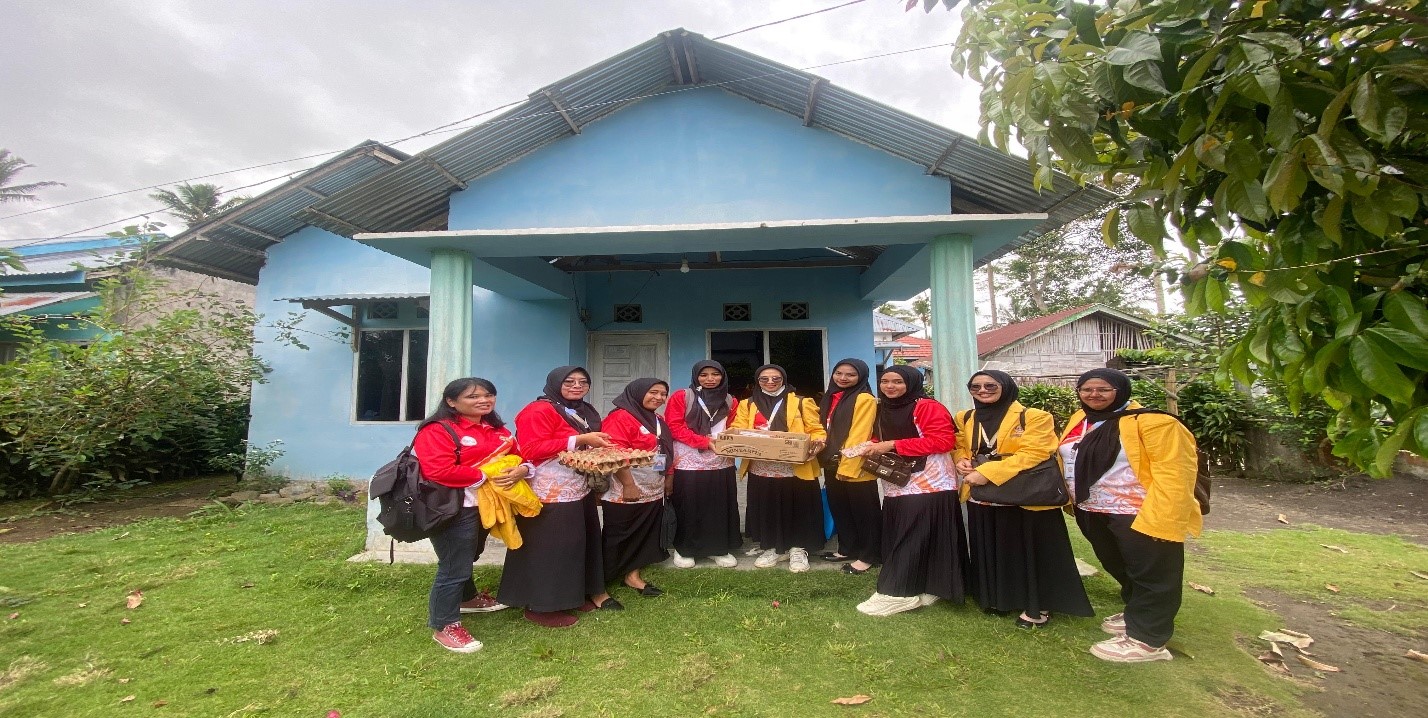
Stunting remains a significant public health problem in Indonesia, particularly in rural areas facing challenges of recurrent infections, inadequate hygiene practices, and poor sanitation. Clean and Healthy Living Behavior (PHBS) is a simple yet effective approach to reducing this risk. This community service activity aims to strengthen mothers' understanding and implementation of PHBS as a key strategy for stunting prevention in Hamlet II, Watas Marga Village. Using a descriptive qualitative approach through counseling, demonstrations, observations, and group discussions, the program involved 32 mothers and caregivers of toddlers. The activity focused on essential practices such as proper handwashing, clean water use, safe food handling, hygienic complementary feeding (MP-ASI), and household sanitation. Results from the activity demonstrated increased awareness of how simple, consistent hygiene practices can reduce the risk of infections that contribute to stunting. Participants also demonstrated improved handwashing skills and a strong commitment to implementing PHBS at home. The program confirms that strengthening PHBS at the household level is an effective, low-cost, and impactful intervention in stunting prevention in rural communities.
Downloads
Published
How to Cite
Issue
Section
License
Copyright (c) 2026 Delvi Rosvita, Dessy Eka Prastini, Nys. Noviannisa, Sri Hartini, Nyaik Sri Patmawati, Ronalen Situmorang, Kintan Annisa

This work is licensed under a Creative Commons Attribution-NonCommercial-ShareAlike 4.0 International License.